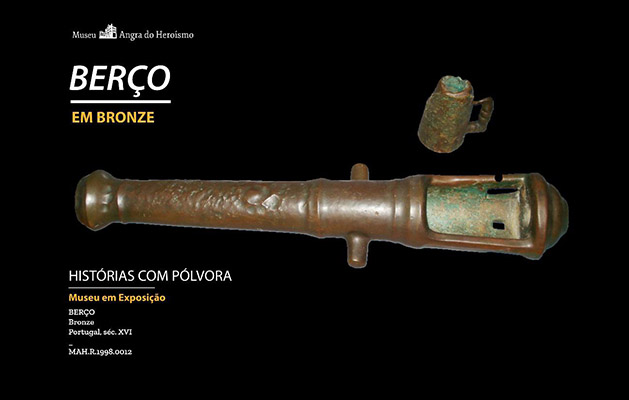
Artillery has always been a focus of special attention and care for Portuguese monarchs, particularly D. João II and D. Manuel I.
Following the success of breech-loading artillery mounted on “escort” ships, initially forged in iron in the late 15th century, this technology evolved into cast bronze artillery, which was far more elastic and resistant to the effects of seawater than iron.
In a letter dated 22 March 1515, Estavam Paes, head of the Lisbon Foundry, reported to King D. Manuel I the success achieved with the pieces invented by the monarch: “…and that the cradle-shot guns, which Your Majesty invented […] fired from Cata-que-Farás [now the Cais do Sodré area] to the Almada point [Cacilhas] […] which in my opinion are the swiftest shots and artillery that can be made for the ships and deserve blessings…”. The range of these guns, considered remarkable at the time, reached 1,750 metres. This, combined with the high rate of fire these pieces allowed—thanks to breech-loading with pre-charged powder chambers—explains the widespread use of bronze gun carriages on various 16th- and much of 17th-century vessels.
This gun carriage, on display in the exhibition From Sea and Land… a History in the Atlantic, is part of the Militaria and Weaponry Collection of the Museum of Angra do Heroismo.