Summer opening hours: (1 April to 30 September) Tuesday to Sunday and public holidays – 10am to 5.30pm – closes to visitors at 6pm Winter opening hours: (1 October to 31 March) Tuesday to Sunday and public holidays – 9:30 a.m. to 5:00 p.m. – closes to visitors at 5:30 p.m. Closed on Mondays.
VISITS TO THE FORTRESS OF SÃO JOÃO BAPTISTA The Museum of Angra do Heroísmo offers guided tours of the Fortress of São João Baptista, a large military monument located on Monte Brasil, built during the Spanish rule of the Philippine Dynasty (1580-1640), which are available upon prior registration.
*Exceptionally, until the end of 2025, visits will take place from 10 December, Wednesday to Friday, from 10:00 a.m. to 12:00 p.m. and from 2:30 p.m. to 4:30 p.m. Wednesday to Sunday (including public holidays) 10:00 a.m. to 12:00 p.m. and 2:30 p.m. to 4:30 p.m. Price: €5.00
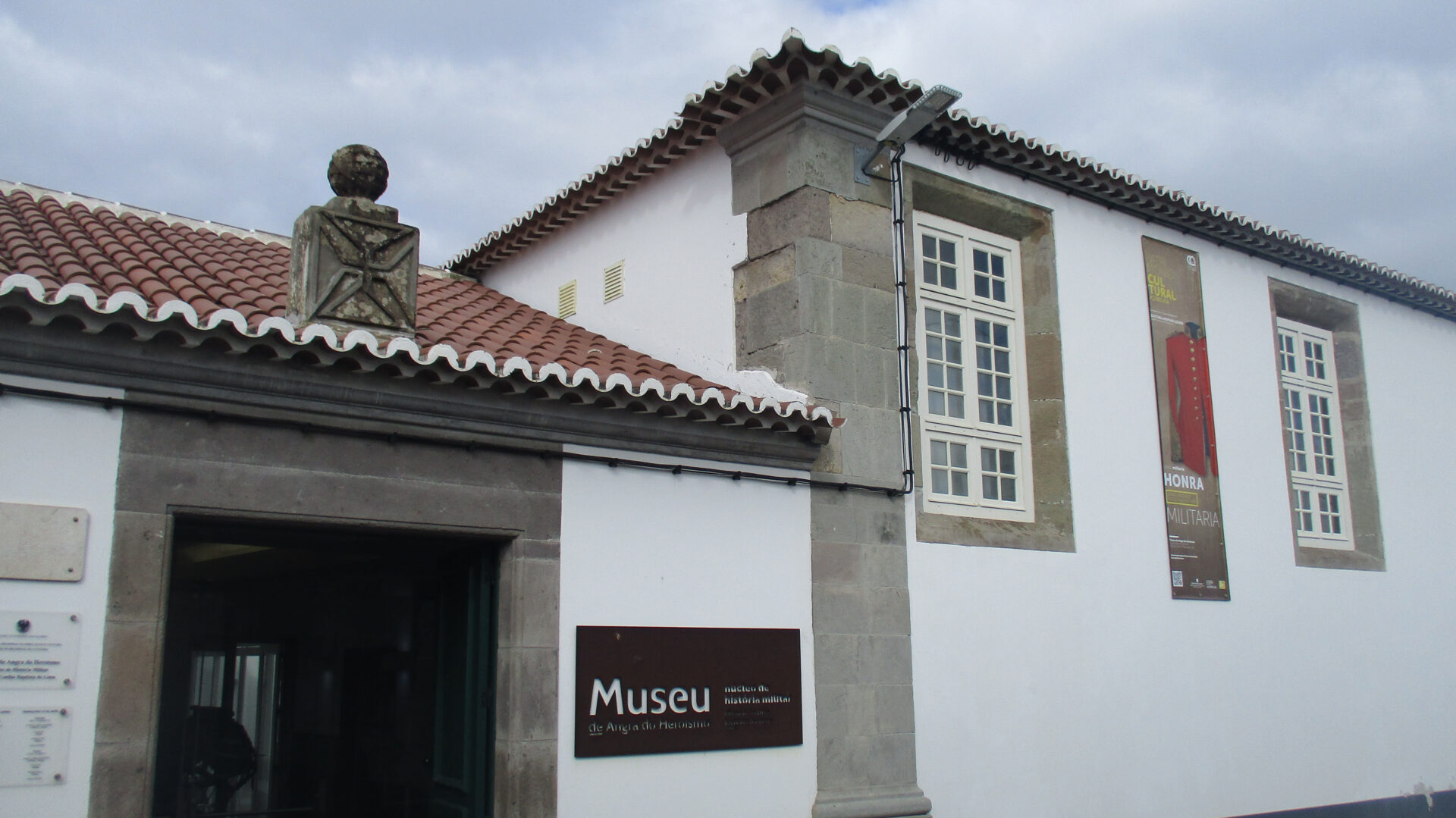
The NHMMCBL, housed in the former Boa Nova Military Hospital, is home to the MAH’s Military Equipment and Armament Collection and Uniform Collection, and is the only Portuguese museum not affiliated with the Ministry of Defence that focuses on this subject.
This collection is presented to the public through three long-term thematic exhibitions, which, alongside an explanation of the evolution and functionality of weapons and an invitation to reflect on the major ethical, moral and social issues inherent in armed conflicts, document the personality and personal experiences of the patron Manuel Coelho Baptista de Lima and the history of the building itself.
Long-term exhibitions
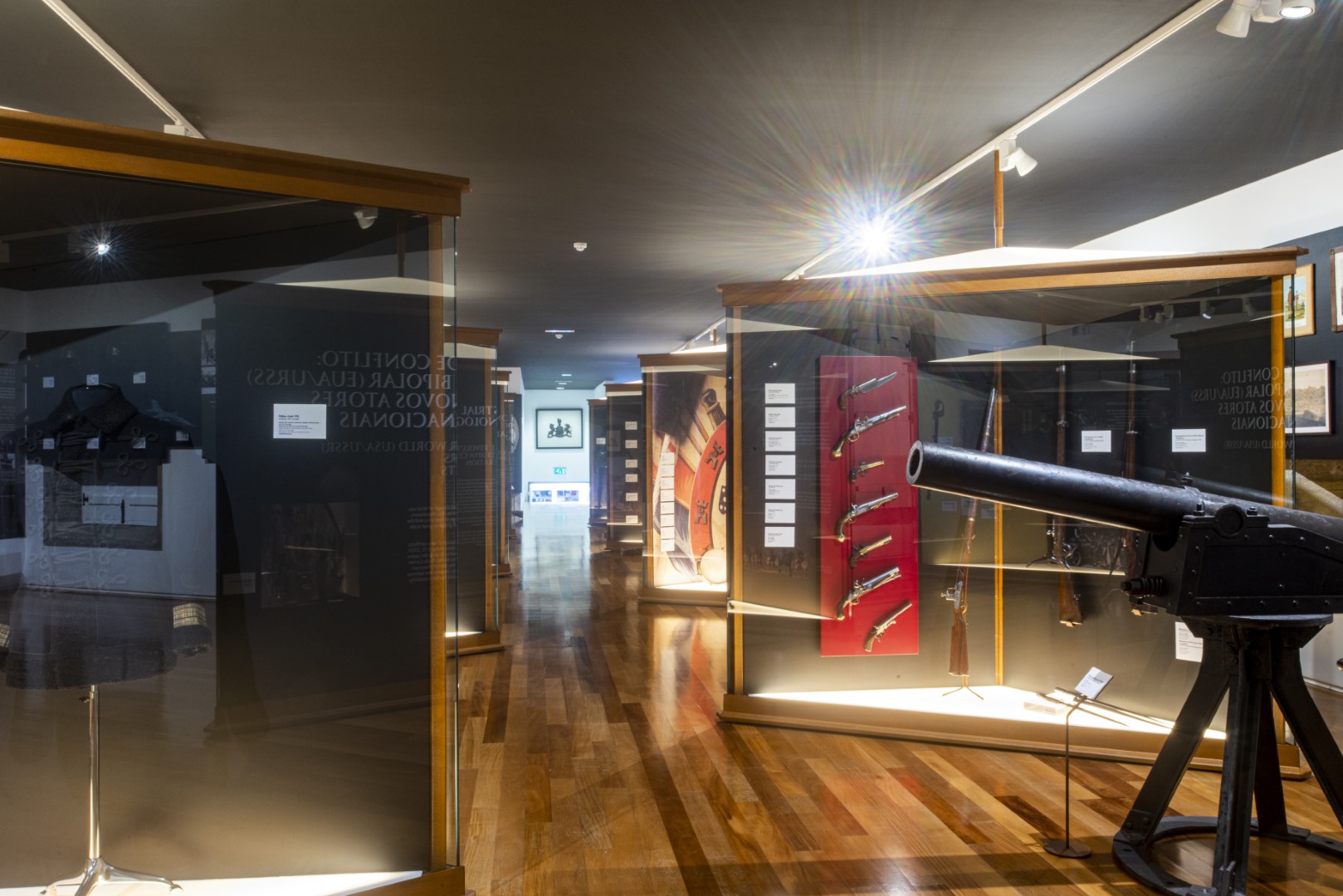
Men, Weapons and War – From the Arrow to the Drone
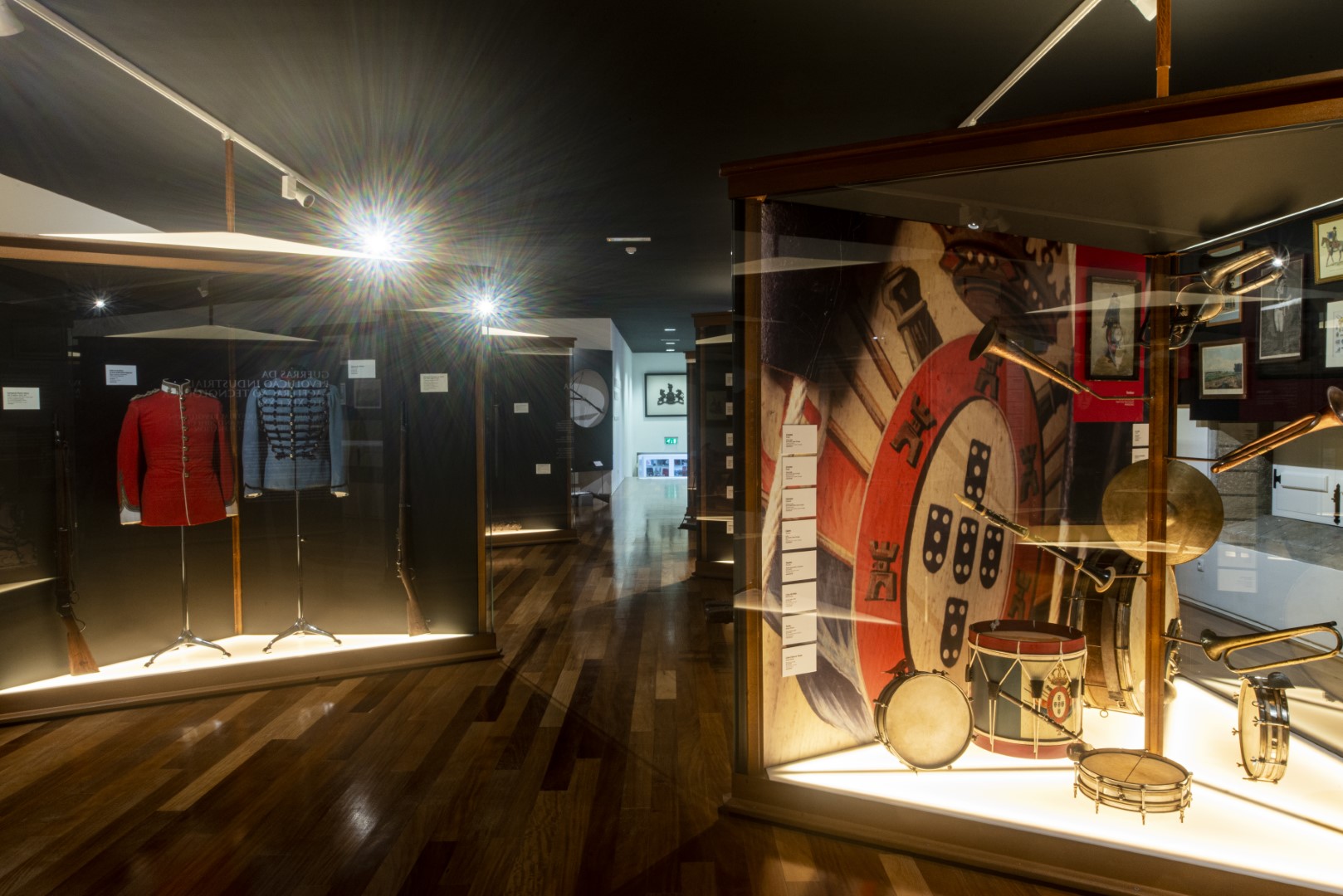
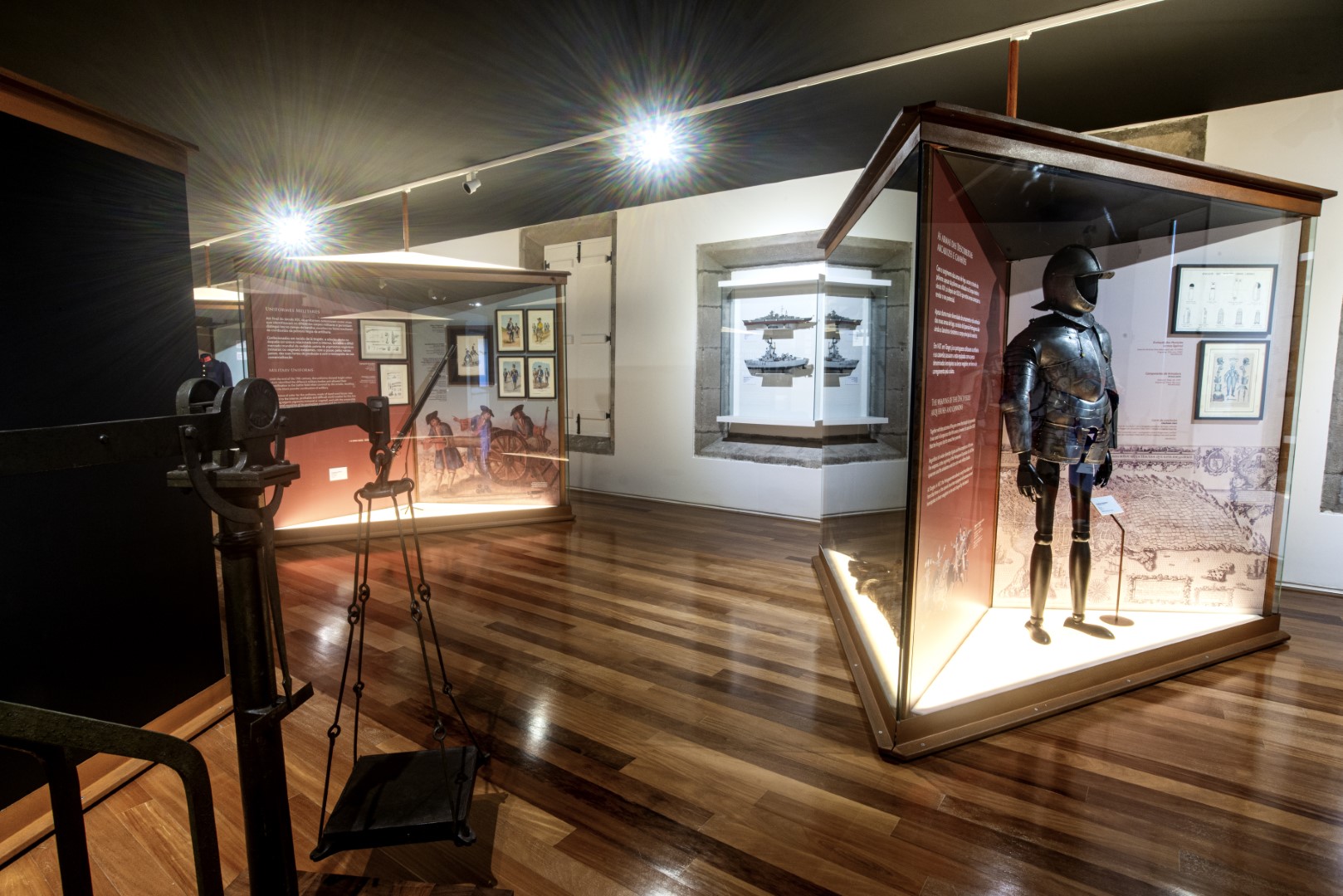
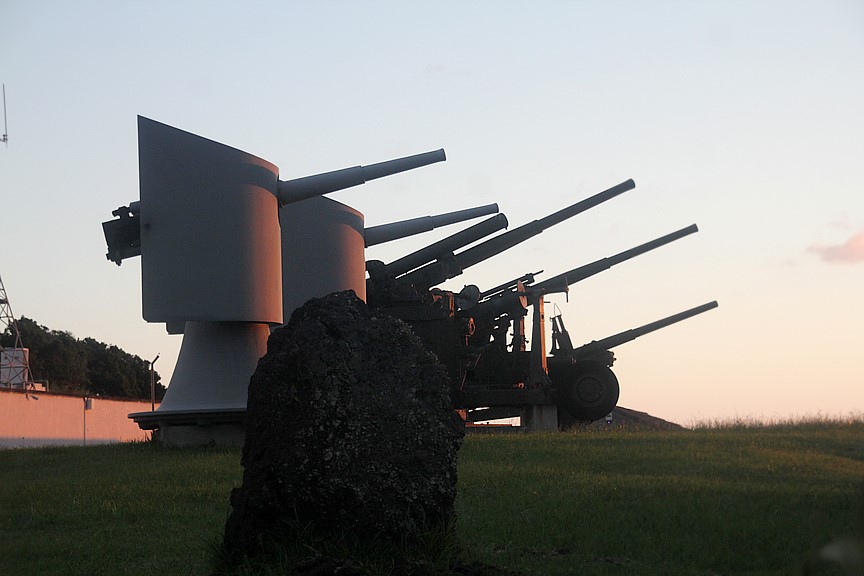
The exhibition traces the evolution of weapons in relation to human history, organised into five thematic sections arranged chronologically, creating the illusion of a journey through time and space to the battlefields and their surrounding context. Its collection consists of bladed weapons and firearms, esfragistics, graphic and fine art documents, uniforms and body armour, musical instruments, artillery pieces and support material, transport and logistics.
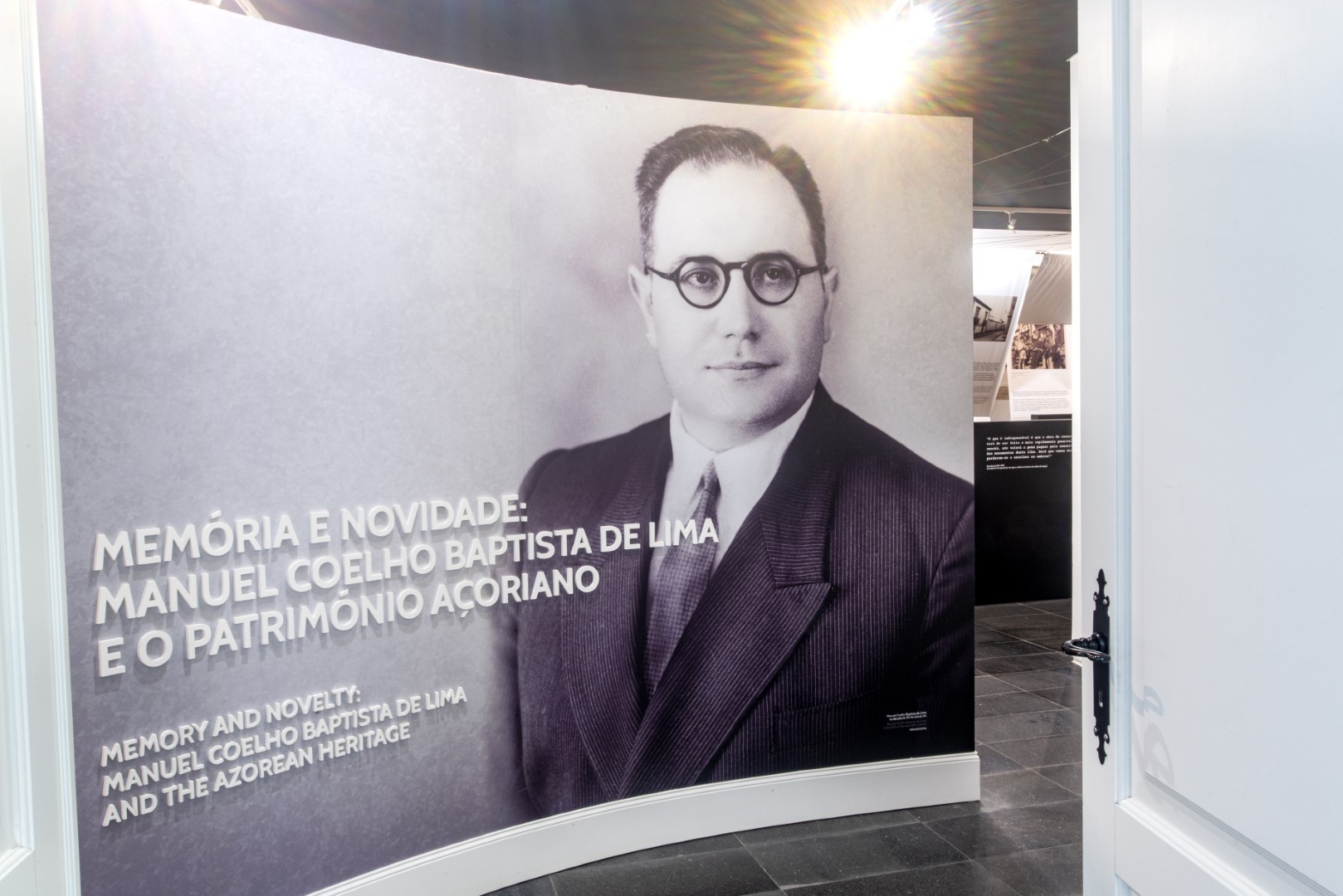
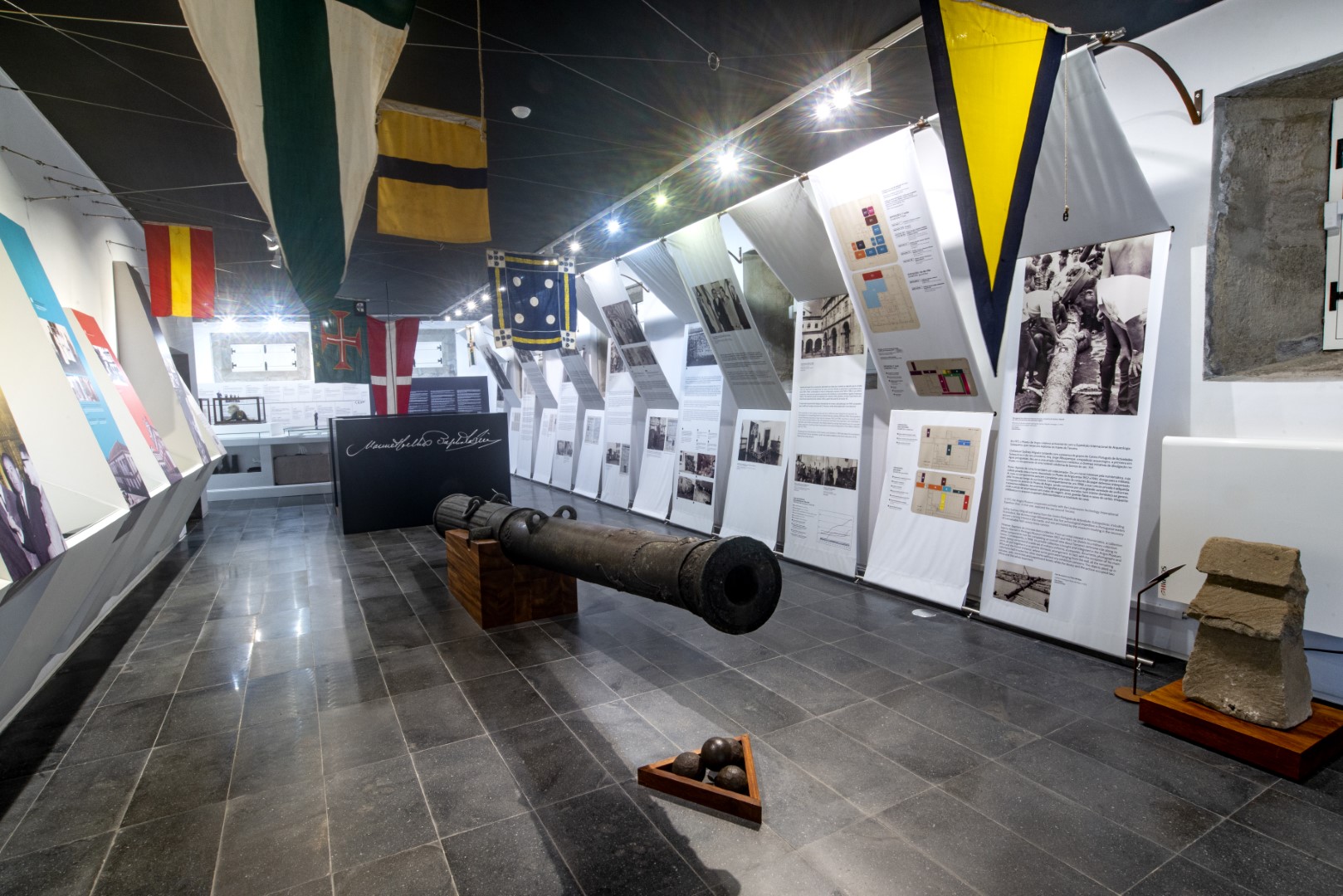
Memory and Novelty: Manuel Coelho Baptista de Lima and the Azorean Heritage
This exhibition aims to illustrate the career of Angra do Heroísmo intellectual Baptista de Lima (1920-1996), highlighting his intention to construct an identity discourse and an Azorean memory that diverged from the ethnographic regionalism of the first half of the 20th century, and highlighting his contribution to the use of new European models of heritage management and defence in the archipelago, which would mark the genesis of regional public action in this area.
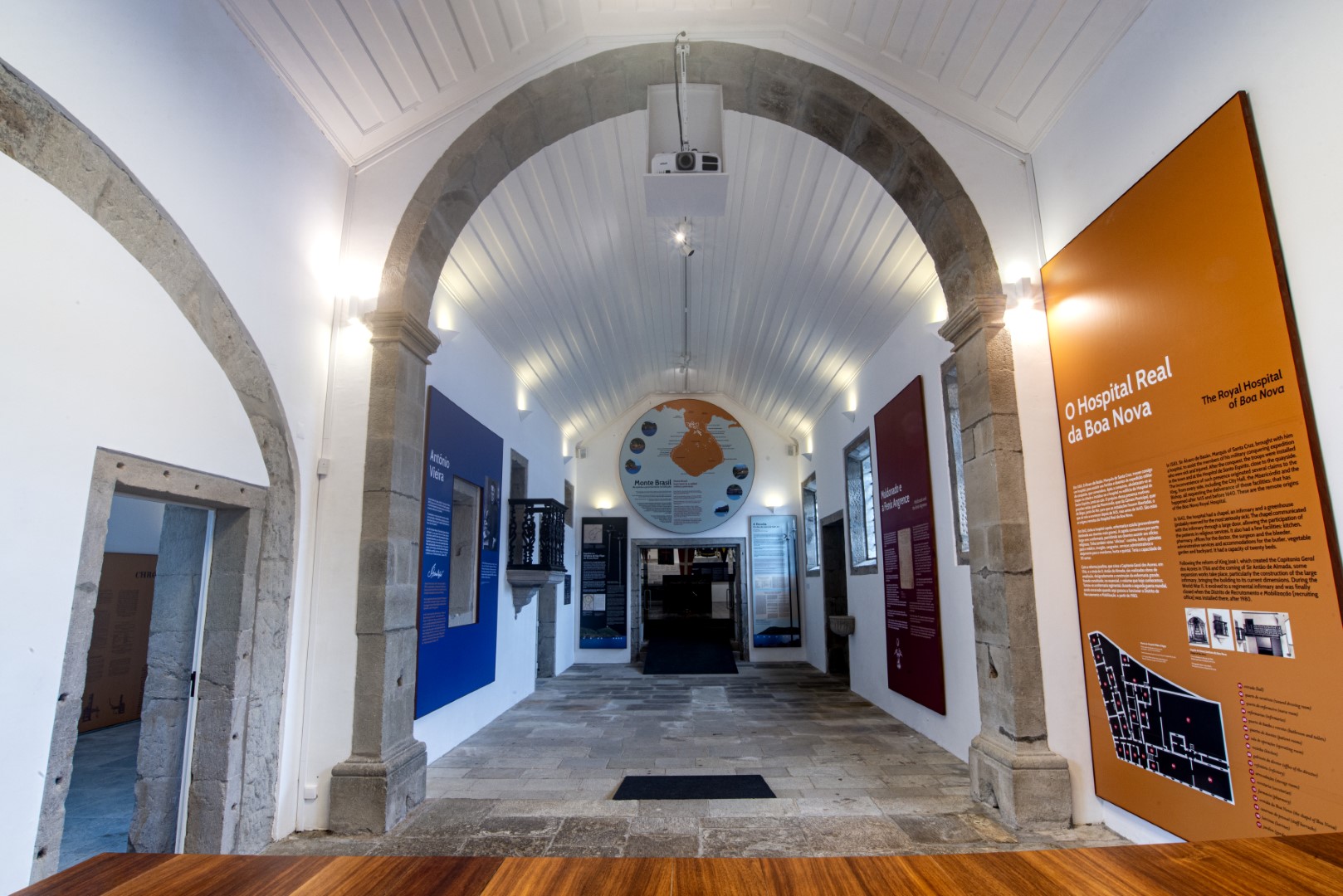
Royal Hospital of Boa Nova
This title brings together memories of the use of the building, which is believed to have been one of the oldest military hospitals in the world.
With its roots in the field hospital brought by D. Álvaro de Bazan during the conquest of Terceira Island in 1583, the Philippine building was developed alongside the chapel of Nossa Senhora da Boa Nova and expanded during the reign of D. José I with a large new infirmary. The ways of viewing illness and health, in their relationship with the sacred and with archaic remedies and treatments, as well as the memories of what happened in this centuries-old building, are revisited in panels and exhibits in the old chapel and adjoining sacristy, recalling the signing of the Spanish surrender in 1642, after a memorable eleven-month siege by the population and militias of Terceira Island, with the help of other islands in the Azores; the preaching of António Vieira in 1654; the figure of Terceira’s greatest chronicler, Manuel Luís Maldonado (1644-1711), author of Fenix Angrence and administrator of the hospital, who is buried here; and the installation, for some time, of the English printing press with which the press was inaugurated in the Azores.