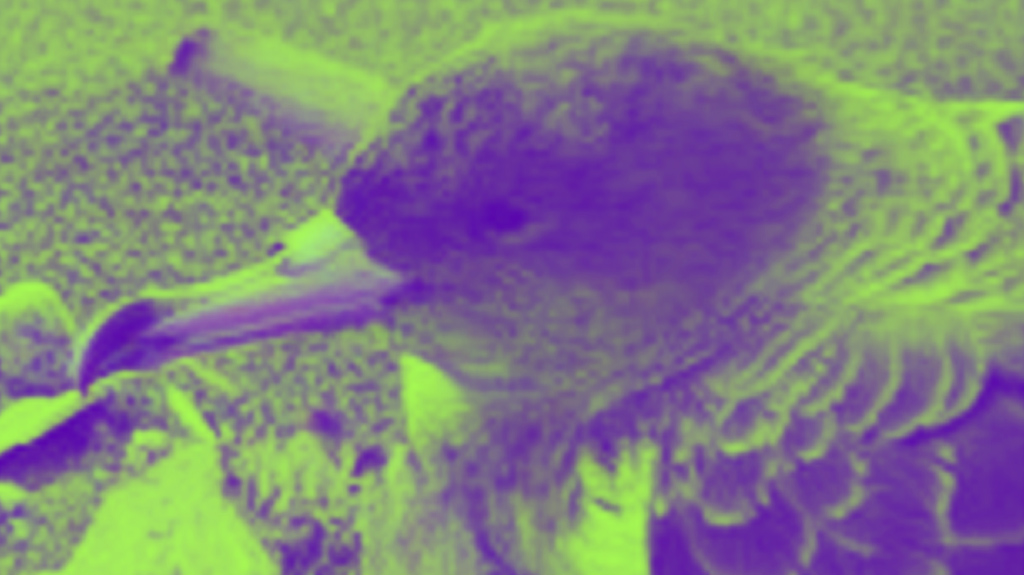
Negrito Fort, May to September
Common name: Cory’s Shearwater; shearwater; yellow-billed shearwater
Scientific name: Calonectris diomedea borealis
Characteristics:
Dark plumage on the upper side and lighter underneath
Brown wings and back on top
Greyish-brown head and black tail on top
Strong yellow bill
Pink legs and feet
Length: 46 to 53 cm
The Cory’s shearwater is a pelagic seabird related to the albatross. Its wings allow it to glide during flight, covering long distances with minimal effort. It skims close to the waves to reduce drag and conserve energy. It emits characteristic calls both in flight and on land.
They have a long lifespan and can live up to 40 years. Each year, they return to the islands where they were born after reaching sexual maturity. They spend much of their time at sea, arriving in the Azores from late February until October/November to breed and nest.
They make their nests in rock cavities or burrows dug in the ground between March and October. In May, the female lays a single white egg, which is incubated alternately by both male and female for about 50 days. After hatching, the chick stays with the parents for around three months. The pair shares care of the chick both in the nest and while foraging for food.
Their diet consists of fish, small crustaceans, squid, plankton, and fish waste from fishing vessels, feeding mainly at night when they are most active.
By late October, the young birds begin their migration to the tropical and South Atlantic regions. They reach sexual maturity at 7 or 8 years. Pairs remain together for life; a partner is replaced only if one disappears.
Cory’s shearwaters live in large colonies and are the most abundant seabird in the Azores. They nest on all islands except Corvo. The Azorean population is the largest of the subspecies borealis.
Nós e as cagarras (pdf, 195Kb)